And if you’re the type who brings a magnifying glass to the nutrition label, you can also research:
- How long the issuer has been in the ETF business
- What they specialize in
- The size of their ETF platform
- Whether their funds track benchmarks closely
- How often they close funds
Choosing the right issuer won’t guarantee strong returns. But it can increase the odds that your ETF does what it’s supposed to do—efficiently, consistently, and without surprises.
Step 3: Evaluate performance and tracking error
Returns are usually the first thing people check, and for good reason. It’s kind of like reading up on product reviews before making a purchase. You want to see how the ETF has performed over time. But to really understand the fund, you need to dig a little deeper.
If an index ETF shows eye-popping return compared to its benchmark, that’s not always a good sign. It could indicate significant tracking error—or in other words, when a fund drifts from the index it’s supposed to follow.
For actively managed ETFs, strong outperformance isn’t an automatic win. It may mean the manager is taking on additional risk to generate those returns—and the key question is whether you’re being adequately compensated for that extra risk.
When comparing active ETFs, look beyond returns alone and consider basic risk-adjusted return measures, such as:
- Volatility (standard deviation): How much the fund’s returns move up and down
- Sharpe ratio: How much return the fund generated for each unit of risk
- Drawdowns: How much the fund has fallen during market downturns
High returns matter—but smoother, more efficient returns matter more.
But for passive index ETFs, tracking error usually stems from more mundane technical factors rather than the manager going off-script. Common causes of tracking error include:
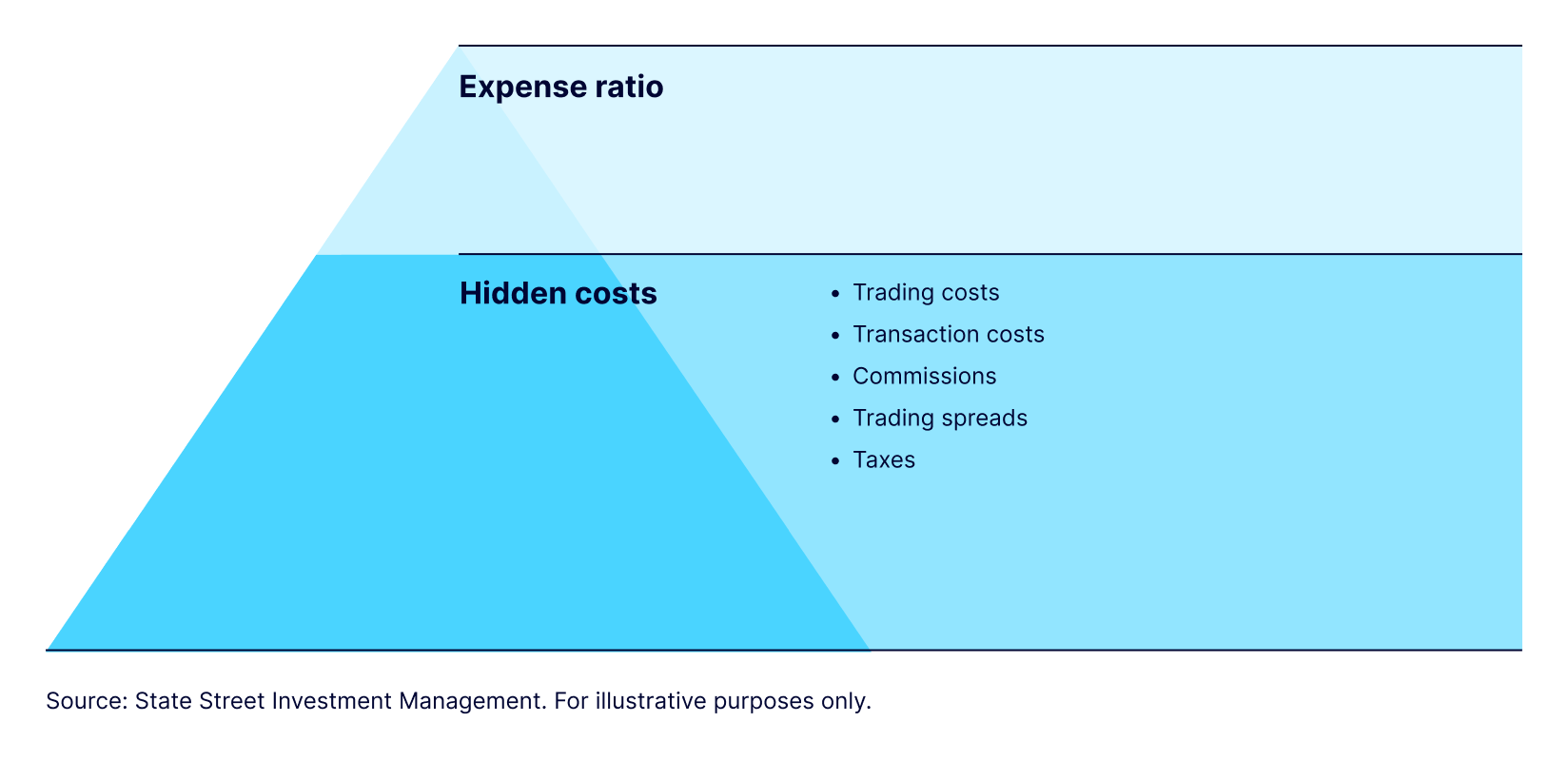
- Fees: Running an ETF isn’t free. As a result, a small fee (known as the expense ratio) comes out of any ETF returns. When you see an ETF underperforming its index, it’s typically by the amount of its expense ratio.
- Cash drag: This occurs when the fund holds cash from dividends or inflows that haven’t been reinvested yet. Since cash doesn’t generate the same returns as other types of investments, it can drag the fund’s performance down.
- Transaction costs: Every time the fund rebalances when an index changes its constituents, it incurs trading fees and bid-ask spreads that eat into returns.
- Representative sampling: Some funds that track indexes with thousands of securities don’t buy every single stock. Instead, they invest in a representative sample, kind of like a movie trailer that captures the essence of a film without making you sit through the whole thing. This can lead to slight performance differences.
Some tracking error is perfectly normal and covers costs like fees. But the smaller and steadier the gap, the better. With index ETFs, the goal is consistency. You want it to closely mirror the benchmark, not beat it by swinging for the fences.
Remember, while past performance isn’t a guarantee of future results, it does show how an ETF tends to behave in different markets.