
The case for systematic active fixed income in defined benefit plans
Changes in the markets present new challenges to defined benefit plans, but they also offer valuable new opportunities. In recent years, innovations in fixed income investing have given rise to systematic active fixed income (SAFI) strategies that may offer pension plans a range of benefits, including:
- Competitive, consistent alpha generation with low realized tracking error (top-quintile IRs)
- Diversified, factor-driven investment process that complements fundamental active management
- Transparent, low-cost approach
Defining systematic active fixed income
Fixed income investors can choose from a spectrum of style options, from indexed strategies to unconstrained approaches. Active strategies occupy a middle ground: They offer the potential for excess returns over indexing but tend to produce less tracking error than unconstrained strategies.
Think of Index to Active as a Continuum
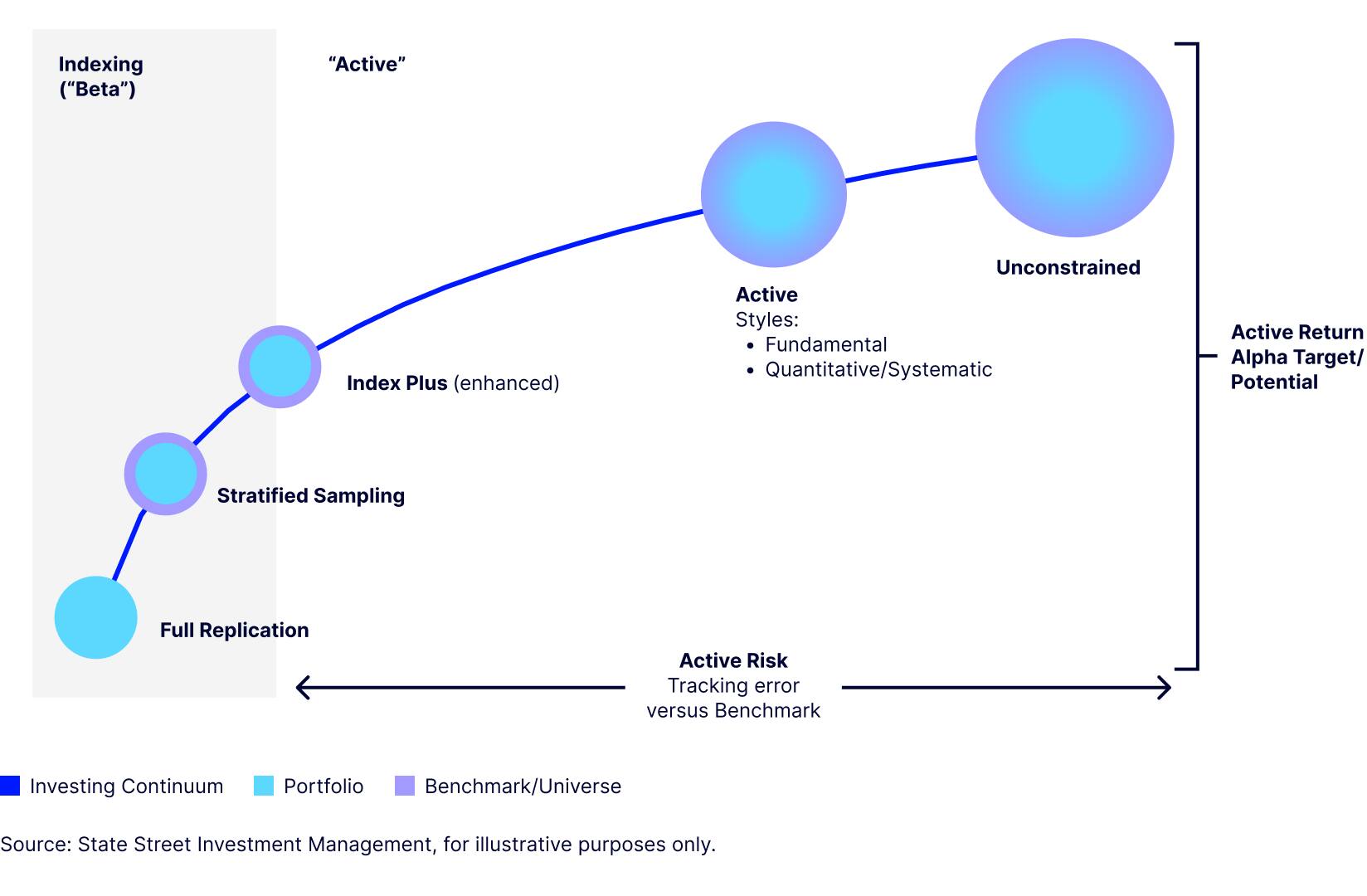
Active strategies come in two main varieties: fundamental and systematic. Systematic active fixed income (SAFI) strategies capitalize on the fact that certain issuers and bonds have characteristics that make them relatively appealing or unappealing, such as strong profitability or relatively large debts. Qualities that could potentially lead to superior or inferior performance are called alpha factors.
It is possible to identify and quantify these factors. Decades of rigorous academic and industry research have isolated dozens of distinct characteristics that contribute to securities’ risk and return. Systematic strategies rank the fixed income universe by specific alpha factors using quantitative signals, then tilt portfolios toward securities with more favorable factor exposures. By contrast, fundamental active strategies use fundamental research to inform managers’ discretion around security selection, duration, and other qualities that affect fixed income performance.
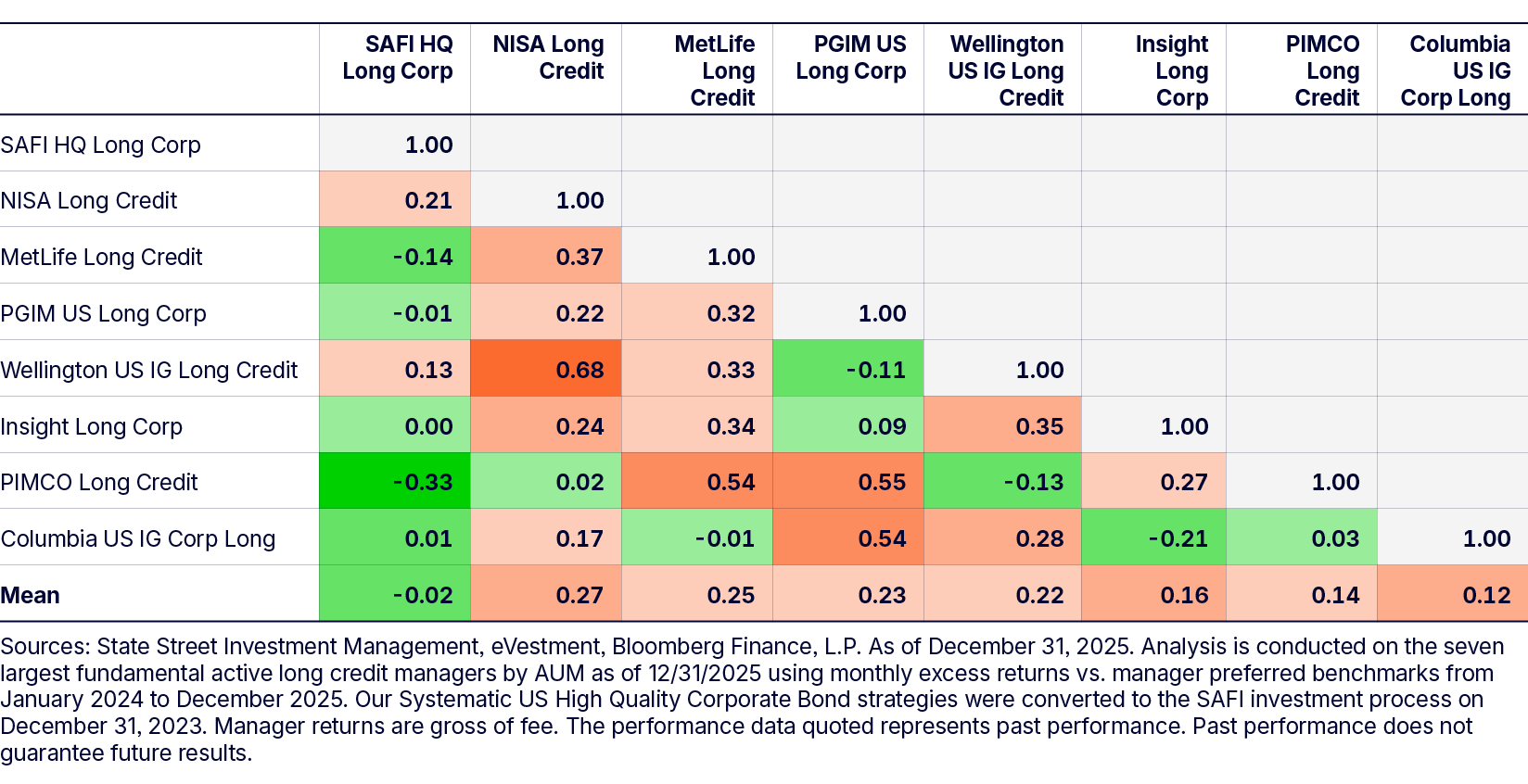
The two approaches to active management tend to have low correlations to each other, so they may serve as complementary components of a diversified fixed income portfolio.
Why SAFI now
Fixed income markets have evolved in ways that make SAFI possible. Bonds used to be bought and sold person-to-person in an informal, opaque, and inefficient system. With the growth of electronic trading, market data has become more available and transparent, enabling the use of quantitative models.
Meanwhile, trading costs have declined dramatically, reducing the expense associated with implementing factor-based weightings in portfolios.
Innovation has changed bond trading...
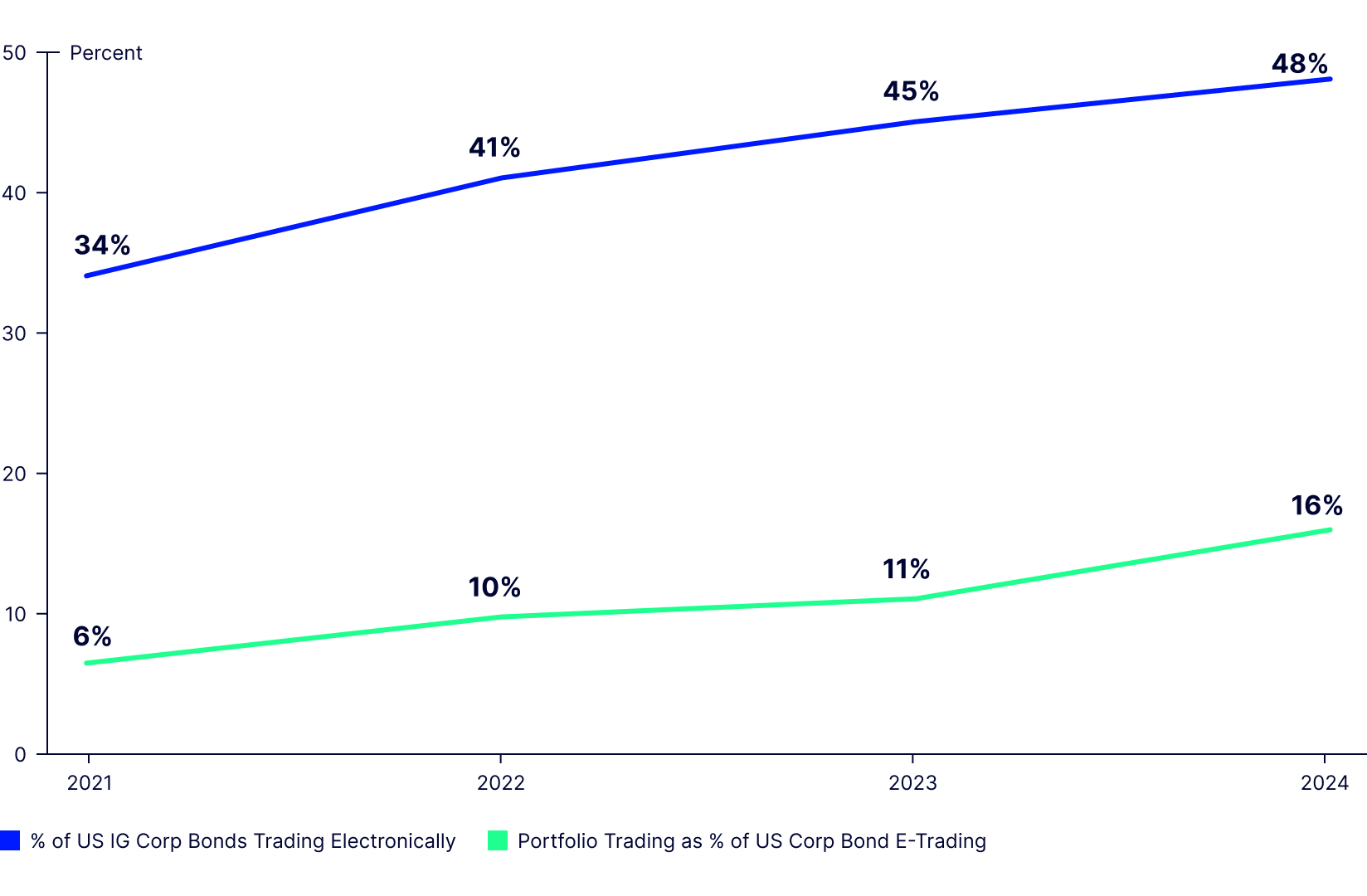
...making it much more efficient
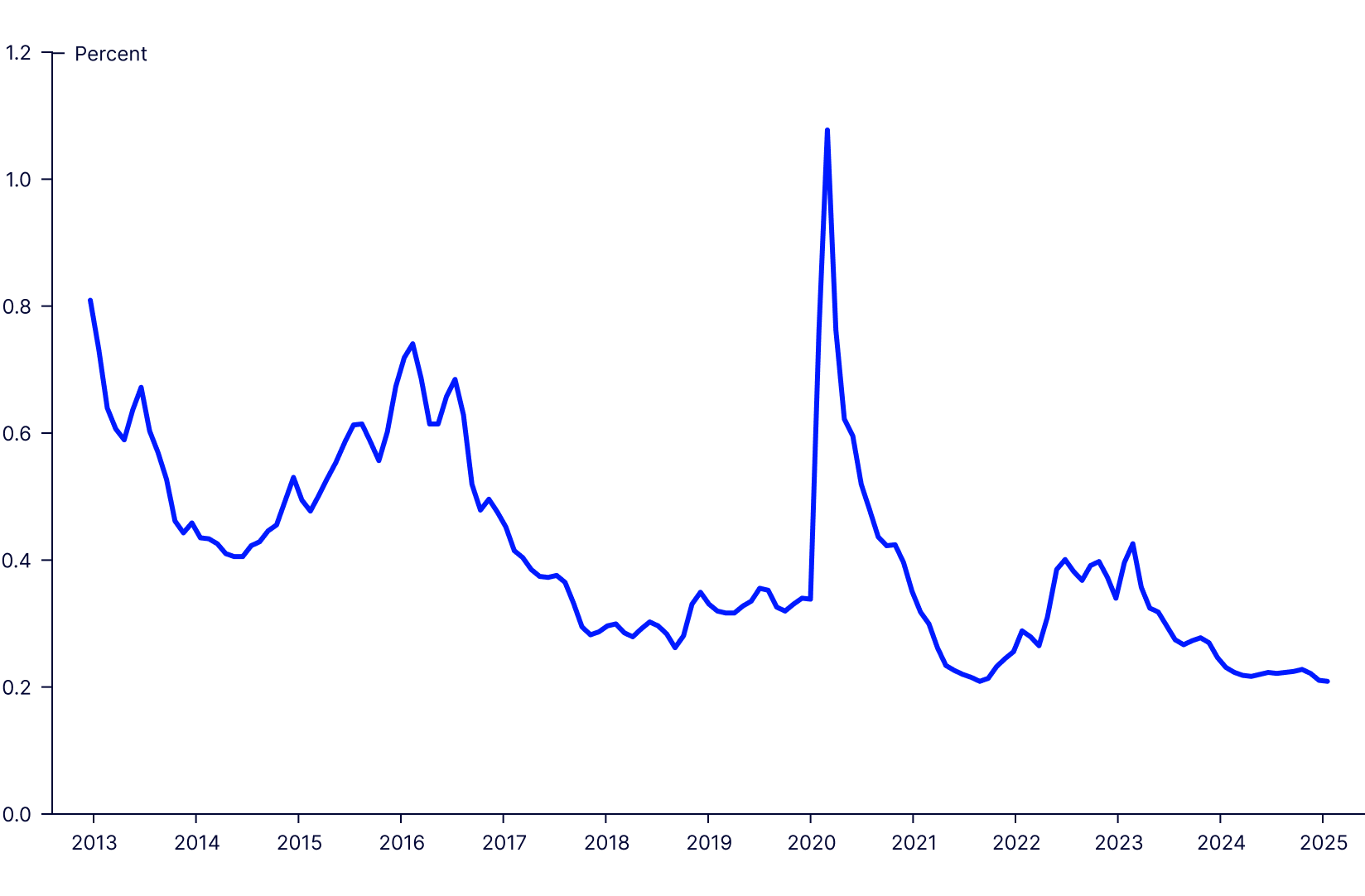
Where SAFI can add value for defined benefit plans
Defined benefit pension plans can employ SAFI strategies to pursue a variety of goals. Why and how they use the strategies may depend largely on their funded status.
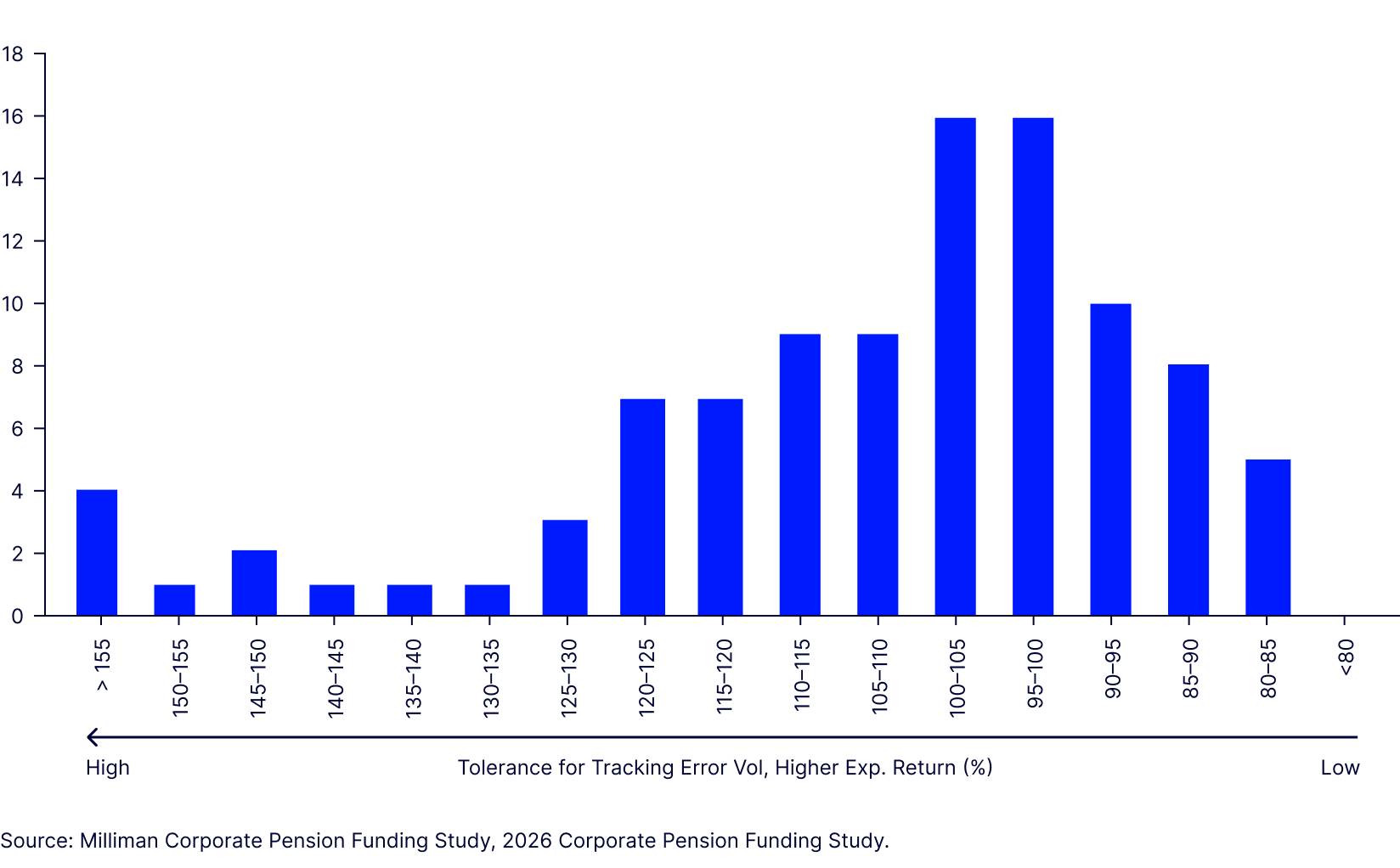
Plans with relatively high funding ratios can use SAFI to reduce costs, complexity, and tracking error relative to liabilities while continuing to pursue alpha. Plans with lower funded ratios can use SAFI as a complement to fundamental active strategies as they seek returns that can help close funding gaps.
Systematic active approaches offer low correlations to fundamental active approaches, potentially helping plans improve overall portfolio diversification when used alongside fundamental strategies. Plans in any situation may appreciate the liquidity SAFI strategies offer, as well as their clear, transparent investment process.
Low Alpha Correlations
SAFI at State Street Investment Management
State Street Investment Management SAFI strategies weight securities based on their exposures to the value, momentum, and sentiment alpha factors, which are established and well researched, with low historical correlations to each other. Underperformance by one factor often has coincided with leadership by another, providing diversification that can help plans manage volatility and produce efficient overall returns.
Our SAFI strategies employ the following process:
- Daily factor data are piped into our portfolio management system from Barclays, a pioneer and leader in fixed income research.
- Portfolio managers run the data through a proprietary optimizer that balances factor rankings with securities’ liquidity, potential portfolio concentrations, transaction costs, and other considerations, resulting in a model portfolio that has risk exposures close to its benchmark and can be implemented at low cost.
- Portfolio managers then determine which securities to trade, drawing on sampling techniques and experience honed over decades as a leader in fixed income.
- The trading desk implements those trades efficiently, capitalizing on SSIM’s economies of scale and position in the marketplace.
For years, defined benefit plans had a choice between indexed or fundamental active strategies. The emergence of SAFI strategies adds a new, valuable tool to their toolbox. Contact SSIM to learn more about how you may be able to customize your plan’s portfolio to its specific needs by incorporating systematic active fixed income strategies.